

Incredible Inventors Who Changed Our World
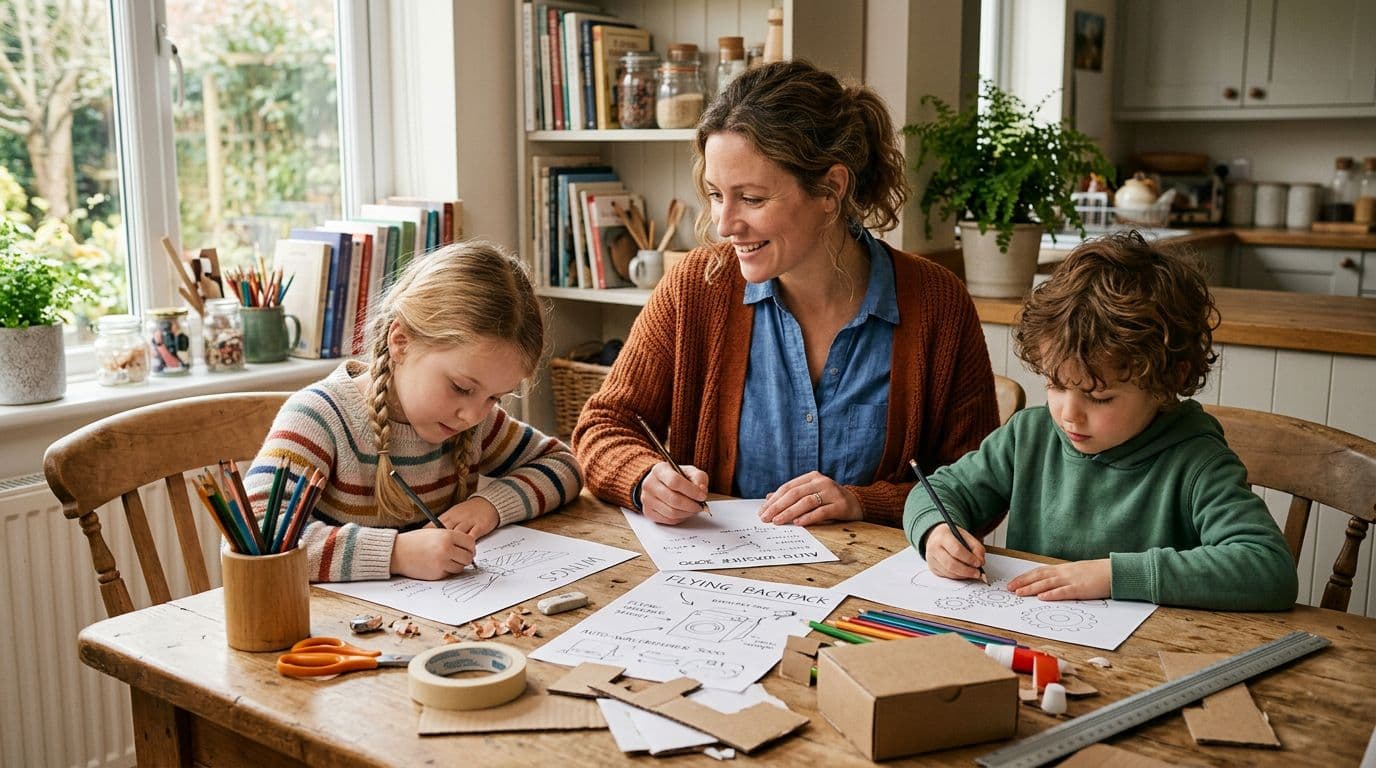 An everyday homeschool moment where big ideas start.
Every invention begins the same way, with a problem that bugs someone enough to fix it. That’s great news for homeschool families, because kids notice problems all day long. A zipper that sticks, a lunchbox that tips, a lamp that’s too dim.
In this post, you’ll meet a few incredible inventors and their amazing creations. You’ll also see what each invention solved, and how to try the same kind of thinking at home.
What makes an inventor’s idea truly amazing?
An amazing invention solves a clear problem in a safe, useful way. It also spreads, because other people need the same fix. Still, “genius” isn’t the whole story. Inventors test, ask for help, and learn from mistakes.
Teamwork matters, because one person spots the problem and another improves the plan. Careful trials matter too, because early versions often break.
A strong invention isn’t just clever, it’s helpful when real life gets messy.
Problems first, gadgets second
A need helps you do something important. A want just makes it more fun. For example, a backpack that doesn’t rip is a need, while glow-in-the-dark patches are a want. Encourage kids to notice small daily annoyances and write them down.
Try, fail, fix, repeat
First attempts look rough, and that’s normal. Test it, change one thing, then test again. Each small fix teaches the next step.
Interactive Story on Incredible Inventors & Their Creations
- click on the 3 dots (bottom right) to read in full screen
Four incredible inventors and the creations we still use
Johannes Gutenberg and the printing press
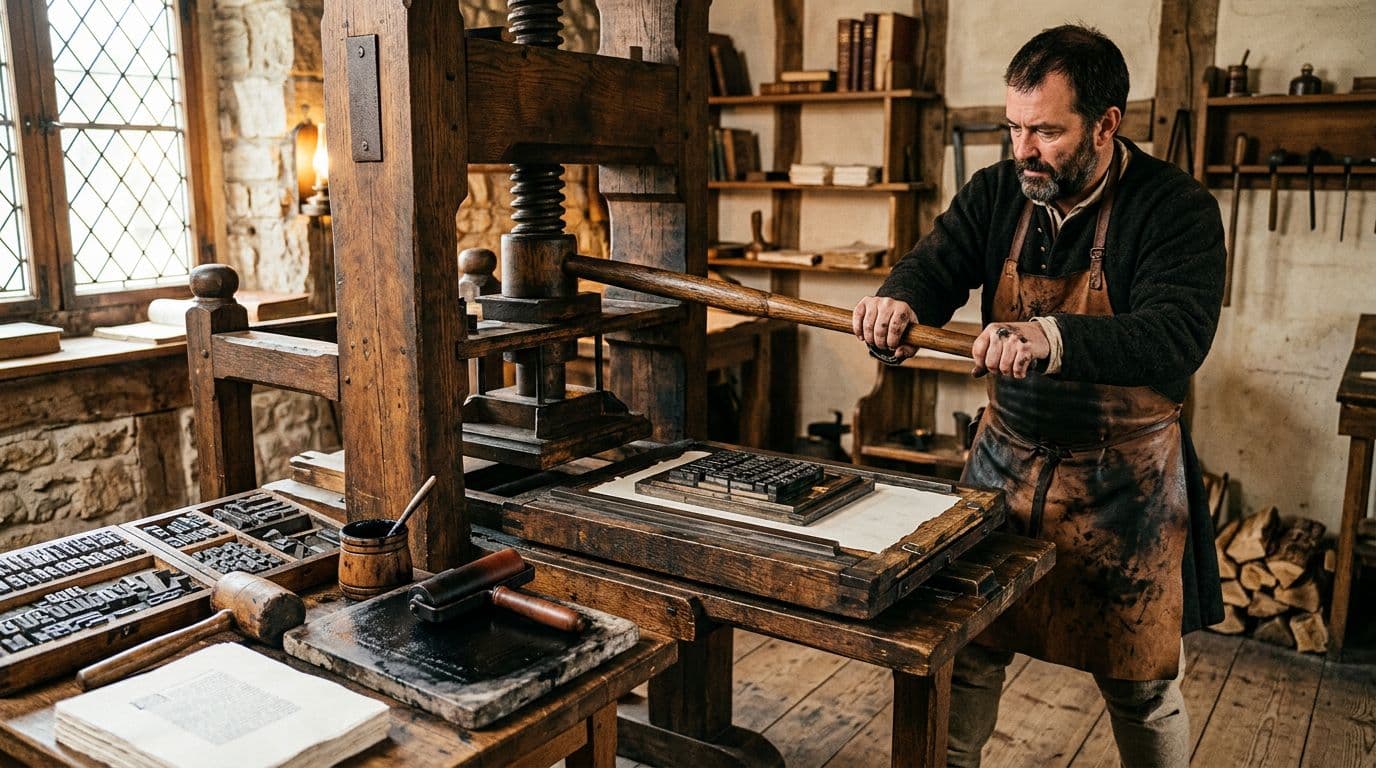 A printing press in action.
Before Gutenberg, making books took ages because people copied them by hand. His printing press with movable type helped create many pages faster. As a result, books became easier to find and cheaper to share. For homeschoolers, that ripple effect matters, because wider access to reading materials changed learning for generations.
Thomas Edison and reliable electric light
Edison didn’t just chase a brighter bulb, he worked on a practical system. He improved long-lasting light and helped push ideas about power and wiring that could work in homes and streets. That meant safer, steadier light after sunset. A memorable detail is how much testing it took, since many early tries failed quickly.
The Wright brothers and the first successful airplane flights
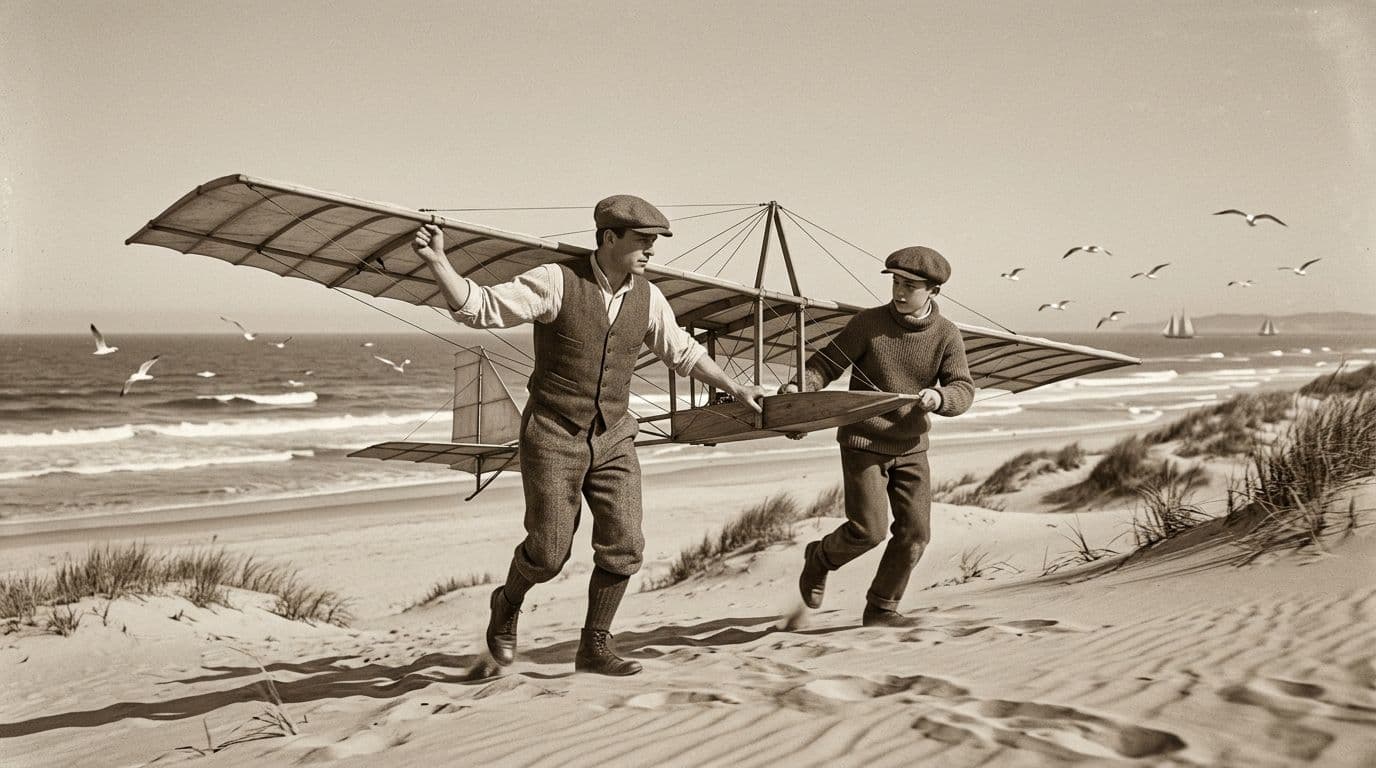 Early flight testing on windy dunes.
Orville and Wilbur Wright didn’t start with an airplane. They tested gliders first and studied wind, balance, and control. That careful approach led to the first successful powered flights. Flight later changed travel and mail, shrinking the map in a very real way. Their surprising edge was patience, because they treated each flight like a lesson.
Garrett Morgan and inventions that made streets safer
Garrett Morgan saw danger and built answers. He created an improved traffic signal design to help prevent crashes at busy crossings. He also invented a safety hood that helped people breathe during smoke-filled emergencies. His work focused on saving lives, not showing off. That practical mindset is something kids can copy right away.
A simple “inventor challenge” you can do at home this week
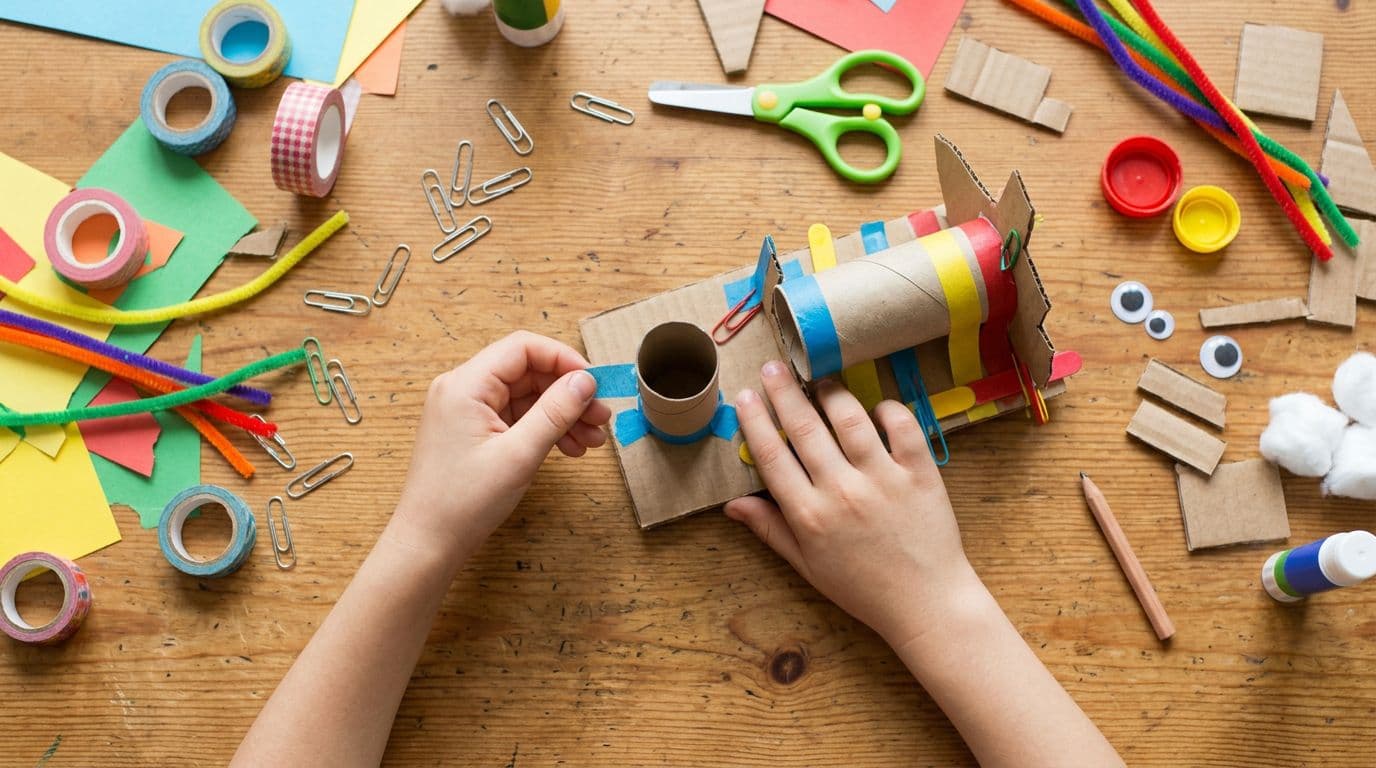 A quick prototype made from household supplies.
Try this easy inventions-for-kids activity and keep it light:
- Notice a problem (crayons keep snapping, shoes pile up by the door).
- Brainstorm 3 fixes, even silly ones.
- Build a quick prototype with paper, tape, and cardboard.
- Test and improve one change at a time.
Have kids draw or write results like a mini lab notebook.
Questions that spark better ideas
- Who is this for?
- When does the problem happen most?
- What would make it easier or safer?
- What can we reuse from home?
- What’s the simplest version that could still work?
Conclusion
Incredible inventors didn’t wait for perfect tools, they started with a real problem and kept improving. Gutenberg, Edison, the Wright brothers, and Morgan all built amazing creations by testing and adjusting. Now it’s your turn. Pick one daily annoyance, make a quick prototype, and keep notes. Small fixes can grow into big ideas when kids stay curious and keep trying.


