Stress-Free Morning Routine Ideas for Homeschool Kids
Mornings can set the tone for the whole day, especially for homeschool families. Without a clear routine, chaos and stress can take over. A well-planned morning helps kids feel grounded and ready to learn, while giving parents a smoother start. Below are XX practical and stress-free morning routine ideas to create a calm, productive start that benefits everyone in your home.
Benefits of a Morning Routine for Kids
Creating a consistent morning routine isn’t only about getting the day started. It helps children grow emotionally, learn essential skills, and improves family dynamics. When mornings are predictable, the entire household benefits from less stress and more productivity.

1. Supports Mental and Emotional Wellness
Morning routines provide kids with stability. Knowing what to expect each day makes them feel secure and reduces anxiety. A predictable schedule offers a sense of control over their world, which is crucial for mental well-being. Think about how calming it is to sip your morning coffee without surprises – routines have a similar anchoring effect for kids. When children feel grounded, they’re better prepared to handle challenges and changes throughout the day.
For additional insights on how routines benefit emotional health, check out The Importance of Routines for Kids.
2. Encourages Independence and Responsibility
Structured mornings allow children to learn essential life skills, like organizing their time and completing tasks. From brushing their teeth to choosing their outfit, routines encourage self-reliance. Over time, these small actions build a foundation for independence. Giving kids age-appropriate tasks teaches responsibility and lets them take pride in their accomplishments.
For more tips on fostering responsibility through routines, read The Power of Routine: 10 Ways It Benefits Both Kids and Parents.
3. Improves Overall Family Harmony
Morning chaos can disrupt everyone’s mood, but routines bring calm to the household. When mornings flow smoothly, parents feel less rushed, siblings argue less, and everyone’s energy is more positive. A well-structured start ensures that each family member knows their role, reducing unnecessary questions and conflicts. It’s like a team working together—when everyone plays their part, the day starts off on the right foot.
Discover practical steps for family routines from Morning Routine for School: Practical Tips.
By emphasizing these benefits, families can approach mornings with intention, creating a positive and productive atmosphere.
Core Components of an Effective Morning Routine
A well-structured morning sets the right tone for the entire day. For homeschool kids, balancing comfort with purpose is key. Focusing on a few core elements can help build a productive and enjoyable start.
1. Consistent Sleep Schedule: The Foundation of a Great Start
A rested mind is a ready mind. Kids who consistently get enough sleep wake up refreshed and prepared to tackle the day. Building a sleep routine isn’t just about bedtime—it’s about waking up at the same time daily to maintain their natural rhythm. Experts recommend 9-12 hours of sleep for children, depending on their age. Lack of sleep can affect focus, mood, and even physical health.
To better understand the connection between sleep and a child’s success, explore this resource from Mayo Clinic Health System.
2. Time for Hygienic Habits: Fun Activities for a Healthy Morning
Hygiene matters, but it doesn’t have to feel like a chore. Make routines like brushing teeth and washing hands enjoyable with fun tools such as colorful toothbrushes or scented soap. You could even turn it into a lighthearted competition—who can create the most bubbles while washing hands? For younger kids, visual charts or playful songs reinforce habits while keeping them engaged.
For creative hygiene activities, check out this list of Fun Personal Hygiene Games for Kids.
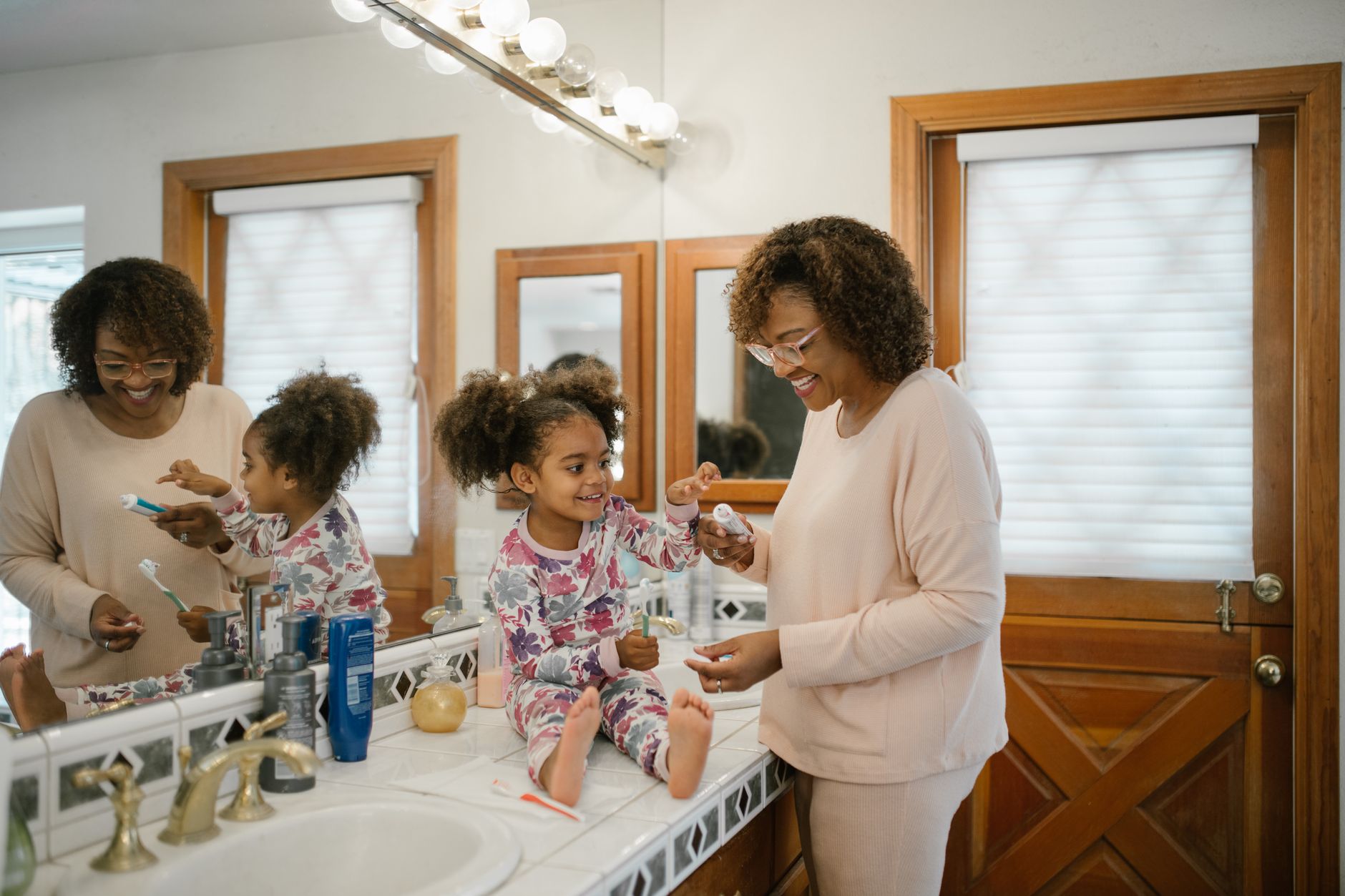
Photo by RDNE Stock project
3. Balanced Breakfast Ideas: Fuel for Mind and Body
Breakfast is brain food. A balanced morning meal gives children the energy and focus they need to learn. Combine proteins, healthy fats, and carbohydrates to sustain their energy until lunch. Options like whole-grain toast with almond butter or scrambled eggs with fruit can be quick yet filling. If time is tight, smoothies packed with greens, yogurt, and a handful of nuts are reliable go-to choices.
Find more ideas in this article, Breakfast for Learning, which highlights the educational benefits of starting the day right.
4. Movement or Stretching Exercises: Wake Up the Body
A little movement in the morning boosts energy and gets kids ready to focus. Gentle stretches, quick yoga poses, or even fun dances are great ways to shake off sleepiness. Let them pick their favorite—stretching calms and centers, while dance gets the heart pumping. Even as little as five minutes of movement can have a lasting impact on concentration.
Check out these Easy Stretching Exercises for Kids to add activity to their mornings.
5. Preparation for the Day Ahead: Routine Builds Confidence
Preparation is key for a stress-free day. For homeschool kids, this might mean setting up their learning space with materials like books and supplies. Encourage older children to prepare small to-do lists with achievable goals. Younger kids may benefit from visual planners or color-coded charts. This habit not only reduces last-minute chaos but also fosters independence and ownership in their learning journey.
Integrating these core components into your mornings creates a strong foundation for homeschool success. Get ready for smoother days ahead!
Morning Routine Ideas Based on Age Groups
Every child is unique, but age often plays a key role in shaping effective morning routines. Younger kids thrive on play-based activities, while homeschoolers benefit from flexibility. Let’s break it down by age group for practical ideas you can implement.
1. Focus on Playful Activities to Keep Tasks Engaging
For preschoolers, mornings should feel fun and consistent. Kids at this age learn best through hands-on exploration and creativity. A playful routine can make daily tasks exciting while teaching essential life skills.
- Incorporate Songs and Rhymes: Turning tasks into songs not only makes them enjoyable but also helps kids stay on track. Try singing a “getting dressed” song or a simple tooth-brushing rhyme. Songs can turn routines into memorable rituals.
- Use Visual Aids: Preschoolers understand routines better when they can see them. Use a morning chart with pictures for tasks like brushing teeth, getting dressed, and eating breakfast. Apps aren’t necessary—stickers or magnets work wonders!
- Play-Based Breakfast: Mealtime can be a chance for creativity. Use breakfast foods to build patterns with fruits or create a “design-your-toast” station with spreads and toppings. A little fun can get even the pickiest eaters engaged.

Photo by Kampus Production
For more ideas specifically for preschool families, check out Stress-Free School Morning Routines for Kids 3-5.
2. Flexible Routines That Integrate Lesson Planning
Homeschool mornings allow for a lot of customization, but it’s important to balance structure with adaptability. A well-thought-out routine sets the tone for a day of effective learning.
- Start with Quiet Time: Begin the day calmly with light reading, journaling, or quiet reflection. Older kids can review their personal goals or to-do lists while younger ones color or work on simple puzzles.
- Morning “Basket” for Engagement: Some homeschoolers use a morning basket—a collection of books, puzzles, or hands-on activities tailored to the day’s learning. Introduce poetry, art, or quick science facts to kickstart their curiosity.
- Break it Into Segments: Divide the morning into manageable chunks. Start with breakfast and prep, followed by “focus time” for academics. End with a short movement break like stretching or a walk outside to energize everyone.
For additional inspiration on creating a peaceful homeschool morning, read Peaceful Homeschool Morning Routine Step-by-Step.
By tailoring routines to these age groups, mornings can become a time to bond, learn, and set the tone for the rest of the day.
Simplifying the Parenting Role in Morning Routines
Mornings can be a whirlwind of activity, especially when homeschooling kids. By adding simple strategies and keeping tasks manageable, you can transform chaotic mornings into a calm and productive experience.
1. Set Up Visual Schedules: Describe How Visual Routines Help Kids Understand Tasks
Children thrive on structure, and visual schedules are a powerful tool to guide their morning routines. Instead of repeating the same instructions, a visual guide helps kids see what needs to be done. Think of it as their personal roadmap for the morning.
- Why it Works: Visual schedules break down tasks into bite-sized pieces, making them easier for kids to process. This is particularly helpful for younger children or those who struggle with transitions.
- How to Start: Create a simple chart with pictures representing key activities—like getting dressed, brushing teeth, and eating breakfast. Laminate it so kids can mark off completed tasks with dry-erase markers.
- Tip: Use colorful icons or photos of your child performing tasks for a personal touch.
2. Prep the Night Before: Suggest Ways to Reduce Morning Stress Through Prep
Preparation is your superpower when it comes to managing busy mornings. Imagine waking up to find lesson plans prepared, breakfast prepped, and clothes laid out. Prepping the night before gives you and your kids a head start on the day.
- Clothes Ready to Go: Lay out your child’s outfit the evening before. Older kids can pick their own clothes to encourage independence.
- Streamline Breakfast: Prep breakfast options such as overnight oats or measure out smoothie ingredients so they’re ready to blend.
- Learning Materials Prepped: Set up books, worksheets, or any homeschool tools in their study space.
By handling these smaller tasks ahead of time, mornings feel less rushed and more enjoyable. Learn more ways to prep in advance by visiting How to Plan Your Day the Night Before in 5 Easy Steps.
3. Stay Patient and Positive: Share Strategies to Keep Mornings Cheerful
Your attitude sets the tone for the morning. Kids pick up on stress, so staying cheerful—even when things don’t go perfectly—goes a long way.
- Start with a Smile: Greet the kids with a warm smile and a simple “good morning.” A positive vibe is contagious.
- Turn Challenges into Opportunities: If someone’s moving slowly, make it fun. For instance, “Who can brush their teeth before this song ends?”
- Take Breaks if Needed: Feeling frazzled? Pause, take a deep breath, and give yourself permission to regroup.
Staying patient can feel hard in the moment, but it creates a smoother, happier start for the whole family. Need extra tips? Check out Morning Routines & Rules to Help Kids Start Calmly.

By integrating these strategies, mornings can feel less like a race and more like a seamless team effort. Focus on what works best for your family and adjust as needed!
Common Morning Routine Challenges and Solutions
Meeting the challenges of a homeschool morning starts with acknowledging that mornings don’t always go as planned. Parents often juggle sleepy kids, breakfast refusals, and sibling quarrels, making the start of the day harder than expected. Here are some realistic and actionable strategies to tackle common hurdles.
1. Struggles to Wake Up: Practical Solutions

Photo by Jep Gambardella
Getting kids out of bed can feel like convincing a bear to hibernate in reverse. Instead of sudden alarms, explore gradual methods to ease the transition from sleep to wakefulness.
- Use Natural Light: Open the curtains or use a sunrise alarm clock that mimics daylight.
- Incorporate Routine Cues: A consistent wake-up time paired with a soothing activity, like quiet music, signals it’s time to start the day.
- Make it Fun: Try a gentle game or race—like “Can you beat the clock to the bathroom?”
Discover more tips in Morning Routine Problems Solved – Kids.
2. Refusal to Eat Breakfast: Creative Approaches
Breakfast can be a battleground, especially for picky eaters. Turn meals into a fun experience with these simple ideas:
- Customize with Choices: Offer quick options like banana muffins or a yogurt parfait bar so they feel in control.
- Make it Interactive: Silly food like “Animal Toast” (toast faces shaped with fruit) adds a playful twist. See examples at Silly Animal Toast.
- Focus on Effortless Nutrition: Smoothies are a no-brainer. Toss fruits, greens, and milk into a blender for a power-packed meal.
For more creative ideas, check out Fun Breakfast Ideas for Kids.
3. Distracted Behavior: Keeping Kids Focused
Parents know mornings are prime time for distractions. Between screens, toys, or just wandering thoughts, staying on task becomes a challenge. Here’s how to regain their attention:
- Set Clear Expectations: Use a checklist for tasks like teeth brushing, getting dressed, and packing up.
- Limit Distractions: Turn off electronics and keep playtime items out of sight until their routine is complete.
- Offer Structured Breaks: Short pauses between tasks can reset attention spans.
Structure and simplicity make mornings manageable. Read more tips from Morning Routines for Kids.
4. Sibling Conflicts: Balancing Everyone’s Needs
Sharing space and attention often leads to morning skirmishes. Prevent sibling stress with these approaches:
- Create Individualized Plans: Assign tailored morning tasks or rotate responsibilities to avoid conflict.
- Build Collaboration: Encourage teamwork by setting shared goals—like who can complete their routine the fastest.
- Provide Space for Reflection: If tensions rise, a quiet corner for cooling down can work wonders.
For more strategies to ease morning strife, visit Morning Routines & Rules To Help Kids.
Addressing these typical challenges ensures homeschool mornings not only run smoothly but also set the tone for a productive and positive day ahead.
FAQs: Morning Routine Tips
A morning routine is essential for homeschool families, offering structure without the rigidity of traditional schooling. Below are common questions along with practical suggestions to make mornings smoother.
How can I get my child excited about a morning routine?
Getting your homeschooler involved in building their morning routine can work wonders. When children feel ownership, they’re often more motivated to stick with it. Start by asking for their input: What do they enjoy in the morning? What tasks do they prefer to do first?
- Turn Tasks Into Games: Does your child resist getting ready? Use fun timers or challenges like, “Can you finish brushing your teeth before this song ends?”
- Incorporate Enjoyable Activities: Begin the day with something they love—reading a favorite book, listening to a podcast, or drawing.
- Positive Reinforcement: Celebrate small wins. A high-five or sticker after completing a task helps build momentum.
For more ideas, read Homeschool Morning Routine Guide to see how structure and fun can balance perfectly.

Photo by Pavel Danilyuk
What are some creative breakfast ideas for picky eaters?
Breakfast can be a pain point for picky eaters, but creativity often turns it into an engaging experience. Try making breakfast interactive or visually appealing.
- Parfait Bar: Layer yogurt with fruit and granola in clear cups. Customize with toppings like honey or nuts.
- Animal Toast: Use shapes and fruit to make silly faces on whole-grain toast. Kids love the whimsy!
- Smoothie Fun: Let them pick ingredients (e.g., bananas, spinach, or peanut butter) to blend into their own creation.
Explore additional options in 43 Breakfast Ideas for Picky Eaters for striking the balance between healthy and fun.
How do I adjust a homeschool routine for a stress-free morning?
Homeschooling offers flexibility, but a stress-free morning starts with some structure. Adjust routines to match your family’s flow while ensuring key tasks are covered.
- Evening Prep: Set up learning materials, pack snacks, and lay out clothing the night before.
- Simplify: Combine activities like breakfast and reading aloud to save time while keeping focus.
- Pause and Pivot: If something isn’t working, pause and reevaluate. Mornings should feel manageable, not rigid.
What time should kids wake up to have a smooth start to the day?
While homeschool offers flexibility, consistent wake-up times are still crucial. Kids need structure to anchor their day. Aim for a balance that supports their natural rhythms without skipping tasks.
- Gauge Their Sleep Needs: Most kids need 9-12 hours of sleep. Adjust bedtime to ensure they’re refreshed by wake-up time.
- Plan Backwards: If lessons begin at 9 a.m., calculate wake-up time based on the necessary morning tasks.
- Morning Cues: Use soft lighting or music to ease transitions from sleep to awake.
Consistency doesn’t mean rigidity. A structured wake-up sets a positive tone for their daily routine.
How can I handle days when we’re running behind schedule?
Some mornings don’t go as planned, and that’s okay! Homeschooling’s greatest perk is flexibility. Adjust your plans without feeling like the day is a loss.
- Prioritize: Focus on essential tasks and save secondary ones for later. What’s non-negotiable today?
- Modify Lessons: A nature walk can double as a science lesson. Keep learning organic and adaptable.
- Embrace Imperfection: Remember, homeschooling allows you to cater schedules to your family’s needs. Don’t let one rushed morning define the day.
By tailoring your mornings to your family’s style, you can turn even chaotic days into manageable, productive ones.
Conclusion
A solid morning routine brings structure, peace, and focus to your homeschool days. By tailoring routines to your children’s needs, you create a smoother path for learning and connection.
Consistency is the secret ingredient. It doesn’t have to be perfect—small efforts build long-lasting habits.
Start simple. Celebrate progress. And remember, the goal is to create a foundation that works for your family.